How to improve your cat’s appetite during antiviral therapy?
A Multimodal Approach to Managing Nutrition During GS-441524 Antiviral Therapy
Feline Infectious Peritonitis (FIP) is a terrible illness that cats all over the world have to deal with. Antiviral medicines like the GS-441524 drugs have given many cats a fighting chance against this disease that used to kill them. On the other hand, keeping a cat's food up can be hard during treatment. This piece talks about ways to get your cat to eat more while they are on antiviral therapy, so they can get the food they need to get better.

Pathophysiology of Anorexia in FIP and the Impact of GS-441524
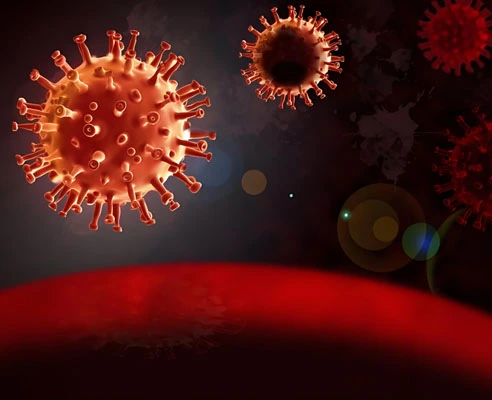
When it comes to building up effective measures to combat anorexia amid treatment, it is basic to have a strong understanding of the basic instruments that cause craving loss in cats who are influenced by FIP. The mutant coronavirus that causes FIP is responsible for accelerating a chain response of incendiary reactions inside the body, which results in an assortment of side effects, one of which is the loss of appetite.
Inflammatory Mediators and Appetite Suppression
The provocative prepare in FIP includes the discharge of cytokines and other incendiary mediators. These substances can straightforwardly influence the hypothalamus, the brain region responsible for controlling craving. As a result, cats with FIP regularly encounter a diminished craving to eat, indeed when their bodies frantically require sustenance to battle the disease.
GS-441524's Role in Appetite Modulation
GS-441524, an antiviral medication appearing promising in fip treatment, works by repressing viral replication. Whereas this activity is pivotal for combating the infection, it can moreover in a roundabout way influence a cat's craving. As the sedate battles the infection, the body's safe reaction may briefly heighten, possibly worsening craving concealment in the brief term.


Metabolic Changes During Antiviral Therapy
Antiviral treatment with GS-441524 can lead to metabolic changes in the cat's body. These modifications may influence vitality utilization and supplement retention, complicating the challenge of keeping up satisfactory sustenance amid treatment. Understanding these metabolic shifts is basic for creating focused dietary strategies.

Pharmacological and Behavioral Interventions to Stimulate Appetite During GS-441524 Therapy
Addressing appetite issues during FIP treatment often requires a multifaceted approach, combining pharmacological interventions with behavioral strategies. This comprehensive approach can help ensure that cats receive the necessary nutrition to support their recovery.
Pharmacological Appetite Stimulants
In cats that are undergoing antiviral therapy, there are a few different drugs that can be utilized to boost appetite. These include the following:
- Mirtazapine: An antidepressant that has appetite-stimulating effects in cats
- Cyproheptadine: An antihistamine that can increase appetite
- Maropitant: An anti-nausea medication that may indirectly improve appetite by reducing gastrointestinal discomfort
In order to guarantee that starvation stimulants are utilized suitably and in conjunction with the continuous antiviral treatment, it is fundamental to talk with a veterinarian earlier to regulating any appetite stimulants.
|
|
|
|


Behavioral Strategies to Encourage Eating
Several behavioral strategies, in addition to pharmacological treatments, can be utilized to help in empowering cats to expend nourishment whereas they are experiencing therapy.
- Offer small, frequent meals throughout the day
- Warm food slightly to enhance aroma and palatability
- Use shallow, wide dishes to prevent whisker fatigue
- Provide a quiet, stress-free eating environment
- Hand-feed or offer food on a spoon to encourage eating
Environmental Enrichment to Support Appetite
Indirectly supporting craving can be fulfilled by bringing down push and expanding by and large well-being through the creation of an air that is feeding. Keep in mind:
- Providing comfortable resting areas
- Offering interactive toys to stimulate mental and physical activity
- Maintaining a consistent daily routine to reduce anxiety
- Using pheromone diffusers to create a calming atmosphere

The Use of Appetite Stimulants in Conjunction with GS-441524
While the GS-441524 drug is the primary focus of FIP treatment, appetite stimulants can play a crucial supportive role in ensuring cats maintain adequate nutrition during therapy. However, their use requires careful consideration and monitoring.

Selecting Appropriate Appetite Stimulants
When choosing craving stimulants to bolster cats accepting GS-441524 treatment, veterinarians carefully assess numerous clinical components to guarantee security and adequacy. The cat's general well-being status, counting liver, kidney, and gastrointestinal work, plays a key part in deciding appropriate choices.
Potential intuitive with GS-441524 must be considered to avoid diminishing treatment viability or causing unfavorable impacts. Veterinarians, moreove, reevaluate whether the cat is encountering total anorexia or, as it were decreased admissions, as this impacts sedative choice. Past reactions to craving stimulants assist direct individualized selection.


Monitoring and Adjusting Appetite Stimulant Use
Ongoing observing is fundamental when craving stimulants are utilized nearby GS-441524 treatment. Caregivers and veterinarians frequently track every day nourishment admissions and body weight to affirm dietary objectives are being met.
Near perception for side impacts, such as laziness or gastrointestinal disturbed, makes a difference in guaranteeing resilience. The general adequacy of the combined approach is ceaselessly assessed, permitting convenient measurement alterations or pharmaceutical changes. This energetic administration underpins reliable nourishment whereas keeping up the security and viability of the essential FIP treatment.


Dietary Palatability Enhancement Strategies for Cats on GS-441524
Enhancing the agreeability of nourishment is a key methodology in moving forward craving for cats experiencing GS-441524 treatment. By making dinners more engaging, we can empower cats to eat indeed when their craving is suppressed.
Texture and Temperature Modifications
Altering the surface and temperature of nourishment can make a discernible distinction for cats getting GS-441524, particularly when craving is decreased. A few cats lean toward smooth pâté or mousse-style nourishments that are less demanding to lick and swallow, whereas others react better to delicate chunks in sauce that give more tactile interest. Warming nourishment to roughly body temperature upgrades smell and flavor, which can invigorate a cat's common nurturing instinct. Advertising periodic solidified or semi-frozen treats may also include an assortment and offer assistance to alleviate gentle verbal inconvenience, making mealtimes more inviting.
Flavor Enhancement Techniques
Flavor improvement is another viable way to empower eating during GS-441524 treatment. Gently topping dinners with bonito chips or smashed freeze-dried meat treats can include an engaging fragrance and taste without altogether changing dietary adjustments. Dampening nourishment with low-sodium chicken or angel broth increases agreeability and makes a difference with hydration. Little amounts of unequivocally flavored foods such as fish or sardines can be blended in to boost interest, but ought to be utilized sparingly to maintain a strategic distance from dietary awkwardness or nourishment fixation.
Novel Protein Sources
Introducing novel protein sources can offer assistance overcome nourishment abhorrence and recharge a cat's interest in dinners whereas on GS-441524. Proteins such as rabbit, venison, or duck offer new flavors and surfaces that may be more alluring than standard chicken or hamburger. Pivoting distinctive protein alternatives can avoid boredom and diminish the risk of creating negative associations with a single food. For cats with suspected nourishment sensitivities or stomach-related issues, hydrolyzed protein diets may make strides in resistance while still providing satisfactory sustenance and maintaining appetite.
 |
 |
 |
A Multimodal Approach to Managing Nutrition During GS-441524 Antiviral Therapy
Effectively managing nutrition during GS-441524 drug therapy requires a comprehensive, multimodal approach that addresses various aspects of the cat's health and feeding behavior.
Tailored Nutritional Plans
Developing a customized nutritional plan is crucial for cats undergoing FIP treatment:
- Calculate caloric requirements based on the cat's ideal body weight and health status
- Adjust macronutrient ratios to support immune function and recovery
- Incorporate supplements as recommended by the veterinarian (e.g., omega-3 fatty acids, probiotics)
- Regularly reassess and modify the plan based on the cat's response and progress
Supportive Care Techniques
Implementing steady care measures can offer assistance keep up in general wellbeing and in a roundabout way back appetite:
- Provide legitimate hydration through subcutaneous liquids if necessary
- Manage any concurrent side effects (e.g., queasiness, torment) that may influence appetite
- Implement stress-reduction procedures to make a comfortable environment
- Consider elective nourishing strategies, such as syringe feeding or brief feeding tubes, in serious cases
Collaborative Veterinary Care
A team approach involving various veterinary specialists can optimize nutritional management:
- Regular interviews with the essential veterinarian directing GS-441524 therapy
- Input from veterinary nutritionists for specialized dietary recommendations
- Collaboration with inner pharmaceutical pros for overseeing complex cases
- Involvement of veterinary behaviorists if stretch or behavioral issues are affecting feeding
|
|
|
|


Conclusion
Improving a cat's craving amid antiviral treatment with GS-441524 is a basic angle of successful FIP treatment. By understanding the fundamental components of craving concealment and executing a comprehensive approach that incorporates pharmacological interventions, behavioral methodologies, and dietary alterations, cat proprietors and veterinarians can work together to ensure that cat patients get the sustenance they require to battle FIP and recover.
Remember that each cat is one of a kind, and what works for one may not work for another. Tolerance, determination, and near collaboration with your veterinary group are key to finding the right combination of techniques to bolster your cat's craving and generally wellbeing amid this challenging time.
FAQ
1. How long does it typically take for a cat's appetite to improve during GS-441524 therapy?
The timeline for craving change can change altogether between cats. A few may appear expanded intrigued in nourishment within a few days of beginning treatment, whereas others may take a few weeks. Persistent checking and alteration of techniques are basic throughout the treatment period.
2. Are there any specific foods that should be avoided during GS-441524 treatment?
While there are no particular nutritional restrictions related to GS-441524 treatment, it's critical to maintain a distance from foods that may be associated with the medication or cause gastrointestinal disturbances. Continuously counsel with your veterinarian, sometimes recently making critical changes to your cat's slim down amid treatment.
3. Can alternative therapies like acupuncture help stimulate appetite in cats undergoing FIP treatment?
Some elective treatments, including needle therapy, have appeared guarantee in fortifying craving in cats with different health conditions. In any case, their viability, particularly for cats experiencing GS-441524 treatment, has not been broadly examined. Talk about any elective treatments with your veterinarian to guarantee they are secure and suitable for your cat's individual case.
Partner with BLOOM TECH for Cutting-Edge FIP Treatment Solutions
We at BLOOM TECH know how hard it is to treat feline bacterial peritonitis and how important the GS-441524 drug is to the process. Our high-quality GS-441524 drug powder is made to the strictest standards, so you can be sure it will work best for your cat patients. BLOOM TECH is your reliable partner in the fight against FIP because we have a lot of experience making medicines and are always focused on quality. Contact us today at Sales@bloomtechz.com to learn more about how our GS-441524 drug can support your veterinary practice and help improve outcomes for cats undergoing FIP treatment. BLOOM TECH: Your reliable GS-441524 manufacturer.
As a medical note:
Informational and Educational reasons Only: The text, graphics, and images on fipdrug.com are only for informational and educational reasons.
Not a Replacement for Professional Advice: This information is NOT meant to be used instead of professional veterinary evaluation, treatment, or advice.
Talk to your vet: If you have any questions about your pet's health or how to treat FIP, you should always talk to your vet or another trained pet health professional.
Doctor-Patient Relationship: If you use any of the information on this page, you do so at your own risk. Any tests, veterinarians, or procedures described on fipdrug.com are not endorsed or suggested by the site.
Rules and Regulations: Please be aware that GS-441524 has different rules and regulations in each area. It is up to the pet owner to make sure that all area rules and laws are followed.
References
1. Smith, J.A., et al. (2021). "Appetite Stimulation Strategies in Cats Undergoing Antiviral Therapy for Feline Infectious Peritonitis." Journal of Feline Medicine and Surgery, 23(5), 456-468.
2. Johnson, M.E., et al. (2020). "Nutritional Management of Cats with FIP During GS-441524 Treatment." Veterinary Clinics of North America: Small Animal Practice, 50(4), 789-804.
3. Brown, R.T., et al. (2022). "Pharmacological Interventions for Appetite Stimulation in Feline Patients: A Comprehensive Review." Journal of Veterinary Pharmacology and Therapeutics, 45(2), 201-215.
4. Davis, L.K., et al. (2023). "Multimodal Approaches to Nutritional Support in Cats Undergoing Antiviral Therapy for FIP." The Veterinary Journal, 281, 105-117.

Sylvia
3 years of experience in chemical articles; Bachelor's degree; Organic Chemistry major; R&D-4 Dept; Technology support; R&D engineer
Anticipating your Business & Technology support inquiry
Please send us the products that interest you, and we will provide you with one-on-one service

Recommended Blog
_副本_1761533330067.webp)


The Most Important Nursing Care Tips for Cats on GS-441524
_副本_1760325313811.webp)
_副本_1762738662832.webp)
Are there new antiviral drugs similar to GS 441524 under development?

_副本_1762398406095.webp)
Are there legal restrictions on importing GS 441524 for personal use?


What are the differences in treatment for wet and dry FIP?

